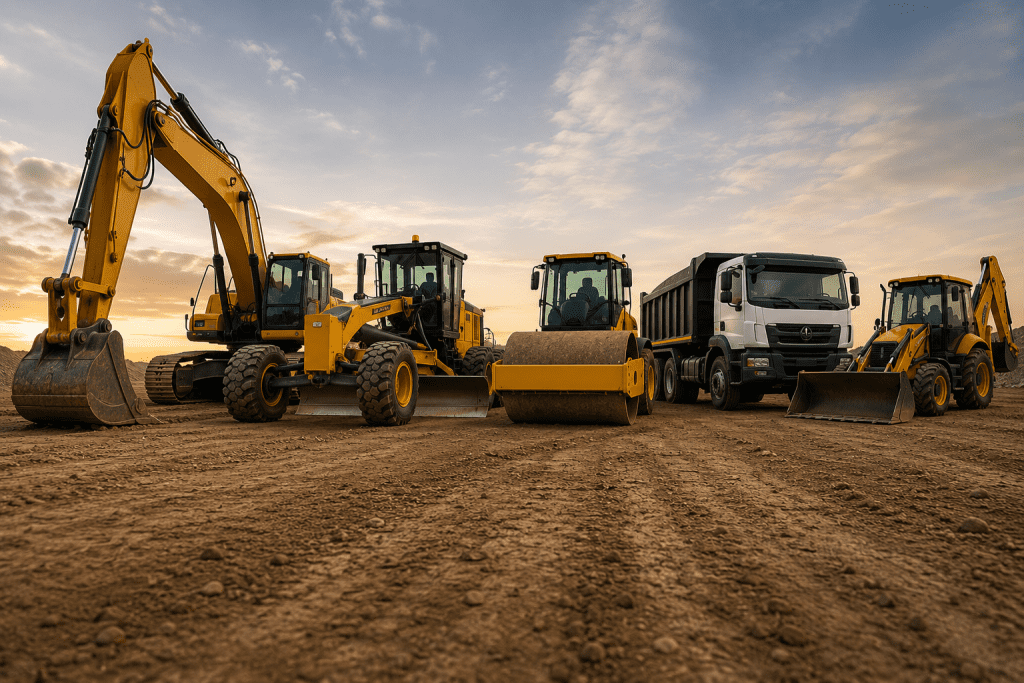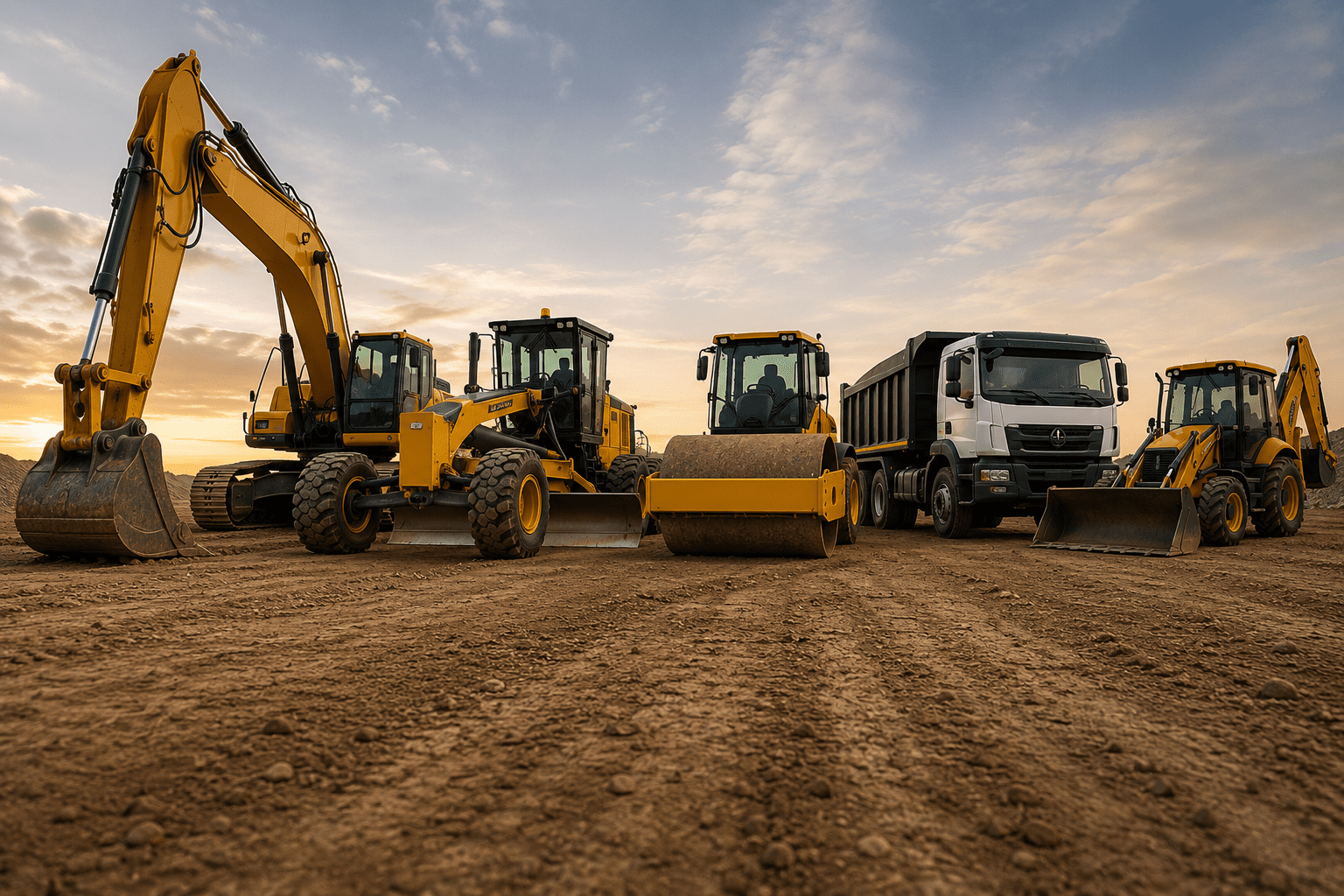
Hiring construction equipment is often more practical than purchasing machinery outright, especially for short-term projects or specialised work. Across Zimbabwe, contractors, developers, mines, farmers, and construction companies regularly rely on plant hire services for excavation, roadworks, grading, earthmoving, trenching, demolition, and infrastructure development.
One of the most important decisions during the hiring process is choosing between wet hire and dry hire. While both options provide access to construction machinery, the responsibilities, costs, and operational risks involved are very different.
For many projects, the wrong hire arrangement can create unnecessary delays, increased operational costs, breakdown risks, and productivity problems on site. Understanding how wet hire and dry hire work helps project owners choose the most practical option for their specific project requirements.
In Zimbabwe, wet hire remains the more common option for road construction, commercial developments, and infrastructure projects because it simplifies operations and reduces equipment management responsibilities for the client. However, dry hire can still be beneficial under the right circumstances, particularly for experienced contractors with their own operators and maintenance teams.
Request Plant Hire Services in Zimbabwe
Need reliable excavators, graders, rollers, TLBs, or earthmoving equipment for your project? Contact our team for professional plant hire solutions across Zimbabwe.
What Is Wet Hire?
Wet hire refers to hiring construction equipment together with operational support from the plant hire company. In most cases, this includes the machine itself, a qualified operator, fuel, servicing, and maintenance throughout the hire period.
This arrangement is widely used in Zimbabwe because it allows contractors and project owners to focus on site operations without worrying about equipment management or technical maintenance problems.
For example, if a contractor hires an excavator under a wet hire agreement, the plant hire company remains responsible for operating and maintaining the machinery. The client essentially pays for a fully operational machine that is ready to work on site immediately.
Wet hire is especially useful for specialised machinery such as graders, excavators, rollers, and heavy earthmoving equipment where operator skill directly affects productivity, fuel efficiency, and work quality. Experienced operators understand how to work efficiently under different site conditions and can often complete tasks faster and more safely than inexperienced personnel.
Many large-scale construction and roadworks projects in Zimbabwe rely heavily on wet hire because downtime can become extremely expensive when machinery fails or is operated incorrectly. Delays on infrastructure projects, mining operations, or commercial developments can affect multiple stages of construction and increase overall project costs significantly.
Although wet hire rates are generally higher upfront compared to dry hire, the additional cost often reduces operational risks and improves efficiency on site.
What Is Dry Hire?
Dry hire involves renting construction equipment without an operator, fuel, or maintenance support included. The client becomes responsible for operating the machinery and managing fuel, servicing, and equipment care during the hire period.
This option is usually preferred by established construction companies that already employ qualified operators and have the technical capacity to maintain machinery internally.
Dry hire can initially appear more affordable because the quotation only covers the equipment itself. However, the client must still account for fuel costs, operator wages, transport arrangements, servicing requirements, lubricants, and possible breakdown risks during the project.
For experienced contractors handling long-term projects, dry hire can provide greater operational control and flexibility. Companies that already have full-time operators and workshop support may find dry hire more economical over extended periods.
However, dry hire can also create additional risks if the machinery is not operated correctly or if maintenance is neglected during the hire period. Construction equipment is expensive, and poor handling can lead to mechanical failures, downtime, or costly repairs.
For this reason, many plant hire companies in Zimbabwe apply stricter conditions to dry hire agreements, particularly for high-value machinery such as excavators, graders, and heavy earthmoving equipment.
Wet Hire vs Dry Hire Costs in Zimbabwe
One of the biggest differences between wet hire and dry hire is pricing structure.
Wet hire rates are generally higher because the cost includes not only the machine itself but also the operator, fuel, servicing, and maintenance support. For example, an excavator hired under a wet hire agreement in Zimbabwe may cost between USD $80 and $150 per hour depending on the machine size and project conditions.
A similar machine under dry hire may appear significantly cheaper initially because the client is only paying for the equipment itself. However, dry hire clients still need to budget separately for fuel, operators, servicing, transport, and operational management.
In many cases, the real cost difference between wet and dry hire becomes smaller once all operational expenses are included.
Wet hire can also improve productivity because experienced operators generally complete tasks more efficiently and reduce the likelihood of breakdowns caused by improper machine handling. On large construction and roadworks projects, improved efficiency often offsets the higher upfront hire rate.
For many contractors in Zimbabwe, reliability and reduced downtime are more valuable than securing the lowest possible hourly price.
Why Wet Hire Is Common in Zimbabwe
Wet hire remains the preferred option for many road construction, excavation, mining, and infrastructure projects across Zimbabwe because it simplifies operations and reduces pressure on the client.
Large projects often operate under strict deadlines, and machinery downtime can affect multiple stages of construction. Hiring equipment together with experienced operators and maintenance support helps reduce these risks significantly.
Another major advantage is accountability. Under wet hire arrangements, the plant hire company remains responsible for keeping the machinery operational throughout the project. If breakdowns occur, repairs and servicing are handled directly by the equipment provider.
This arrangement is particularly beneficial for projects involving:
- Road construction
- Earthmoving
- Mining operations
- Bulk excavation
- Commercial developments
- Civil engineering works
For many contractors and developers, wet hire provides peace of mind because the machinery is operated by trained personnel familiar with the equipment and site conditions.
When Dry Hire Makes More Sense
Although wet hire is more common for specialised construction work, dry hire can still be a practical solution under the right circumstances.
Large contractors with experienced operators and internal maintenance teams often prefer dry hire because it allows them to manage projects independently. Companies already running multiple construction sites may also find dry hire more flexible because they can allocate operators and fuel according to their own schedules.
Dry hire may also become more economical for long-term projects where the machinery will remain on site for extended periods. In these situations, contractors with the right operational systems in place can sometimes reduce costs compared to full wet hire arrangements.
However, dry hire generally works best for experienced construction businesses that already understand equipment operation, maintenance requirements, and fuel management. Smaller projects or inexperienced operators may struggle with equipment reliability and operational efficiency under dry hire arrangements.
Choosing the Right Option for Your Project
The right hire option depends on the size of the project, the type of equipment required, and the operational experience of the contractor managing the work.
For many specialised projects in Zimbabwe, wet hire is usually the safer and more efficient option because it reduces operational risks and ensures the machinery is handled professionally. Projects involving roadworks, grading, excavation, compaction, and heavy earthmoving often benefit significantly from experienced operators who understand how to maximise machine performance safely.
Dry hire can still work well for established contractors with experienced teams already in place. However, choosing dry hire purely to reduce upfront costs can sometimes create larger operational expenses later if productivity drops or breakdowns occur.
Instead of focusing only on hourly rates, project owners should also consider reliability, productivity, maintenance responsibilities, downtime risks, and operator experience when deciding between wet hire and dry hire.
Plant Hire Services Across Zimbabwe
We provide plant hire and wet hire solutions for construction, roadworks, excavation, civil engineering, and infrastructure projects across major cities and surrounding regions in Zimbabwe.
Our services support projects in Hwange, Harare, Bulawayo, Mutare, Gweru, Kwekwe, Masvingo, Chinhoyi, Marondera, and other developing commercial and industrial areas depending on project requirements and equipment availability.
Final Thoughts
Understanding the difference between wet hire and dry hire is important when planning construction and earthmoving projects in Zimbabwe. While dry hire may appear cheaper initially, it also places greater responsibility on the client for equipment operation, fuel management, servicing, and maintenance.
Wet hire remains the preferred option for many contractors and developers because it provides experienced operators, maintenance support, improved reliability, and reduced downtime on site.
The best option ultimately depends on the project size, operational experience, available personnel, and the complexity of the work involved. Choosing the right hire arrangement from the beginning can improve productivity, reduce delays, and help projects run more efficiently from start to finish.
Request Plant Hire Services in Zimbabwe
Need reliable excavators, graders, rollers, TLBs, or earthmoving equipment for your project? Contact our team for professional plant hire solutions across Zimbabwe.